Quantity Take Off


Service Details
- Using manufacturing software, with 10+ years QTO experience.
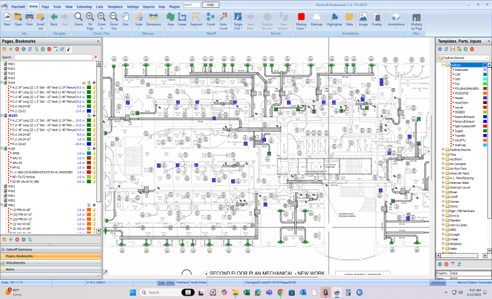
- Utilization of advanced software tools like Bluebeam, Planswift, or specialized QTO software for precise calculations and project evaluation.
- Preparation of comprehensive reports outlining the measured quantities, including breakdowns.
- We tailor the QTO package to match your existing BOQ sheets and pivot files, ensuring smooth integration into your workflow.
- Ensuring compliance with industry standards, regulations, and best practices during the quantity estimation process.
- Quality checks to maintain accuracy and reliability of the quantity take-off data.
Key Deliverables

Rapid MEP Quantity Takeoff

Spec Review + Equipment Selections

JES AI powered agenet
Submittals Package (Ready to Approve)
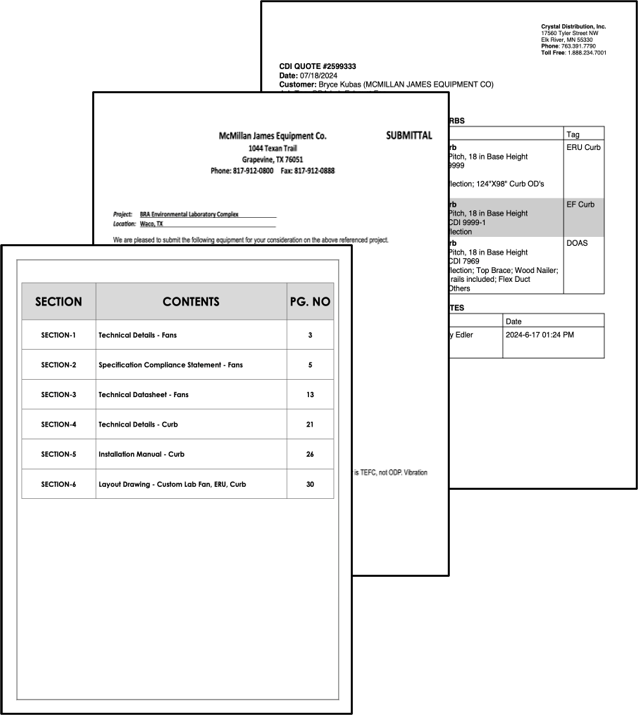
Get precise counts fast so your team can price and plan with confidence and spend more time in front of customers.
- What you get: Clean, auditable quantities for HVAC, plumbing, and electrical equipment
- Turnaround: 12-72 hours for most scopes
- Why it matters: Fewer misses, tighter bids, less rework
Tools Used



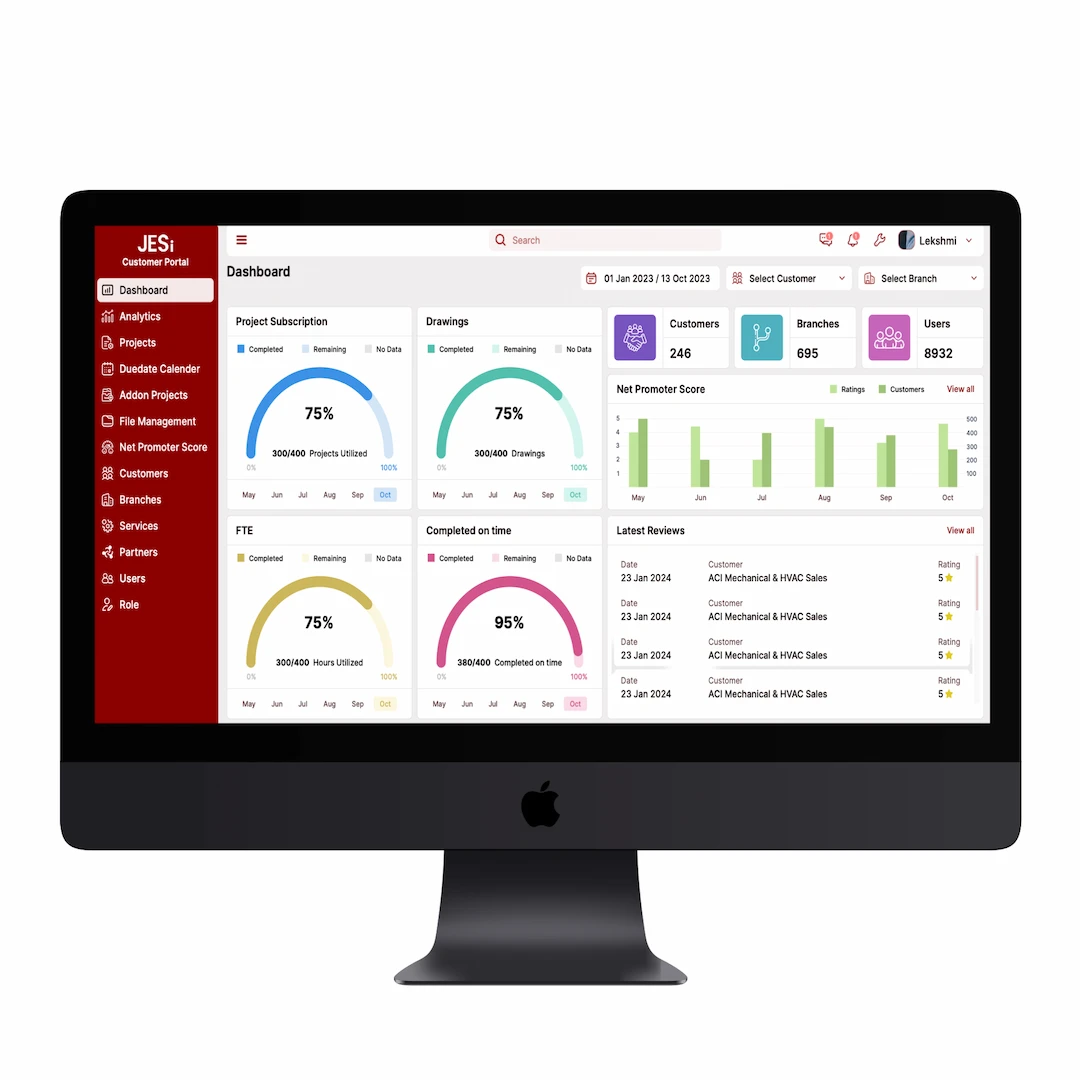
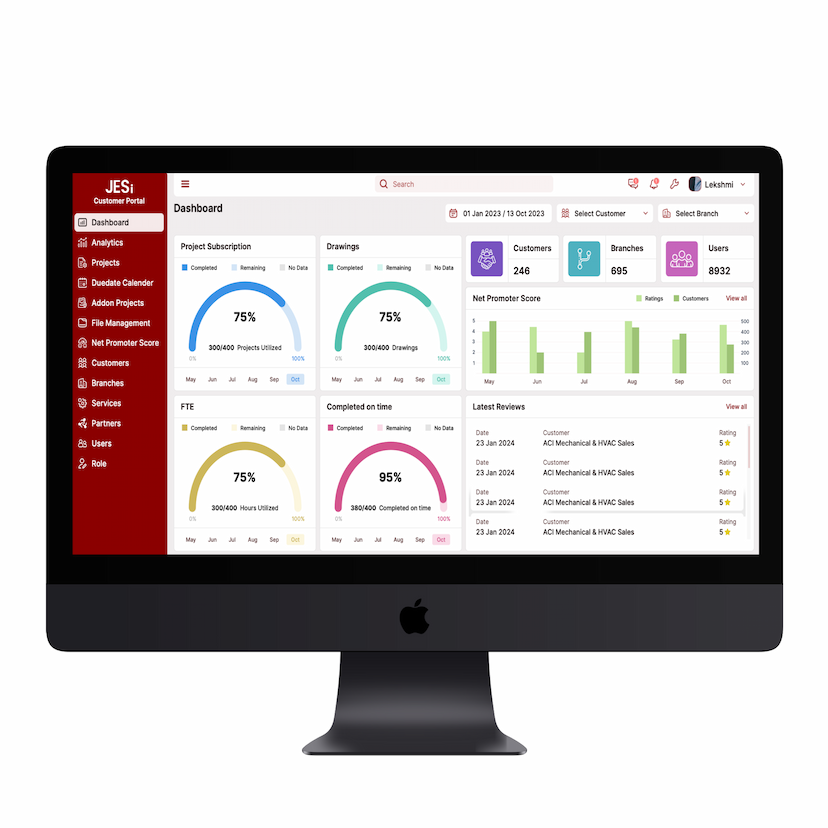
JESi Customer Portal
Using JESi, our all-in-one project management portal designed to elevate collaboration and streamline project workflows. With our user-friendly interface, clients can effortlessly upload project files, ensuring seamless communication and file sharing.
Effortless File Uploads
Our platform allows clients to upload project files with ease, eliminating the hassle of traditional methods. Effortlessly share documents, plans, and specifications to keep everyone on the same page.
Live Chat for Instant Clarity
Need immediate clarification? Our live chat feature enables real-time communication between clients and our team of engineers. Instantly address queries, seek clarifications, and discuss project specifics without delays.
Real-time Project Status Updates
Stay informed about project progress at all times. Our portal provides real-time status updates, ensuring transparency and allowing clients to track milestones, deadlines, and developments effortlessly.
Transparent Communication Tracking
Keep an eye on the communication history between clients and our engineers. Monitor the activity log to review discussions, decisions, and actions taken, ensuring complete transparency and accountability.

Case Study:
QTO & Selection Support Success
Challenge
A mid-sized US Air-Distribution Representative lost two estimators, creating operational gaps in their estimating and quoting processes. 167% Efficiency Gain increase in weekly quoting efficiency.
Solution
JES provided comprehensive estimating and quoting support, leveraging expertise to boost efficiency and profitability. $3M Added Revenue - Additional Annual Revenue.
Results
Weekly quoting increased by $528K (167% efficiency gain). Monthly sales grew by $200K with just $6,950 investment. Additional $50K monthly margin. $700k Margin Growth - Extra Annual Profit Margin
Frequently Asked Questions
What is Quantity Take-Off and why is it important?

Quantity Take-Off (QTO) is the process of measuring materials, components, and labor needed for construction projects. It ensures accurate cost estimation, reduces material wastage, and supports better budgeting and project planning.
How does our team assist with Equipment or Product Selection?
We help clients choose the most efficient, cost-effective, and specification-compliant products and equipment. Our team evaluates performance data, compatibility, and sustainability to ensure the best selection for your project.
What does a Specification Review include?
Our Specification Review process checks technical documentation for consistency, clarity, and compliance with project requirements. This helps prevent design conflicts, delays, and rework during later stages.
What are the benefits of BIM Modelling for my project?
BIM (Building Information Modelling) provides a 3D digital representation of your project that integrates design, cost, and time data. It enhances collaboration, reduces design errors, and allows for better decision-making throughout the construction lifecycle.
What’s the difference between Component and Assembly Revit Models?
Component models represent individual elements such as walls, doors, or HVAC units. Assembly models combine multiple components to form complex systems or units, enabling better visualization and coordination across disciplines.

Ready to Scale Your Business?
Let us discuss how our Quantity Take Off Solutions can transform your engineering workflow