Revit Models: Component & Assembly

Service Details
- Creation of intelligent Revit models integrating parts from multiple manufacturers.
- Ensures seamless coordination across MEP systems.
- Preparation of detailed 3D component assemblies and technical drawings.
- Includes family types, connection points, and performance data for approval.
- Standardized, parametric Revit families for accurate coordination.
- Reduces rework and improves design precision and collaboration.
- Development of combined mechanical, electrical, and structural assemblies.
- Supports modular installation and clash detection for site efficiency.
- Parametric Revit families (.RFA) and assemblies (.RVT).
- Coordinated views, schedules, and LOD-compliant BIM models.
Key Deliverables

Rapid MEP Quantity Takeoff

Spec Review + Equipment Selections

JES AI powered agenet
Submittals Package (Ready to Approve)
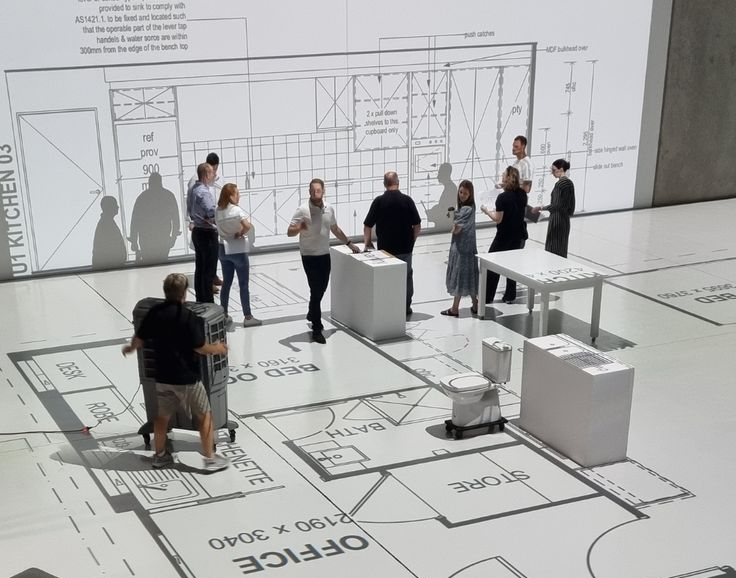
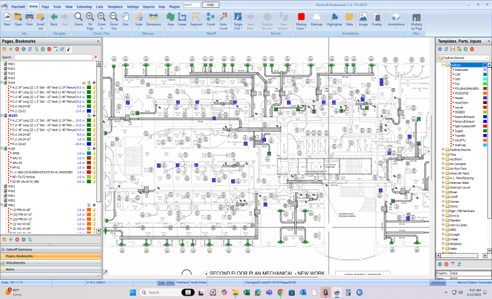
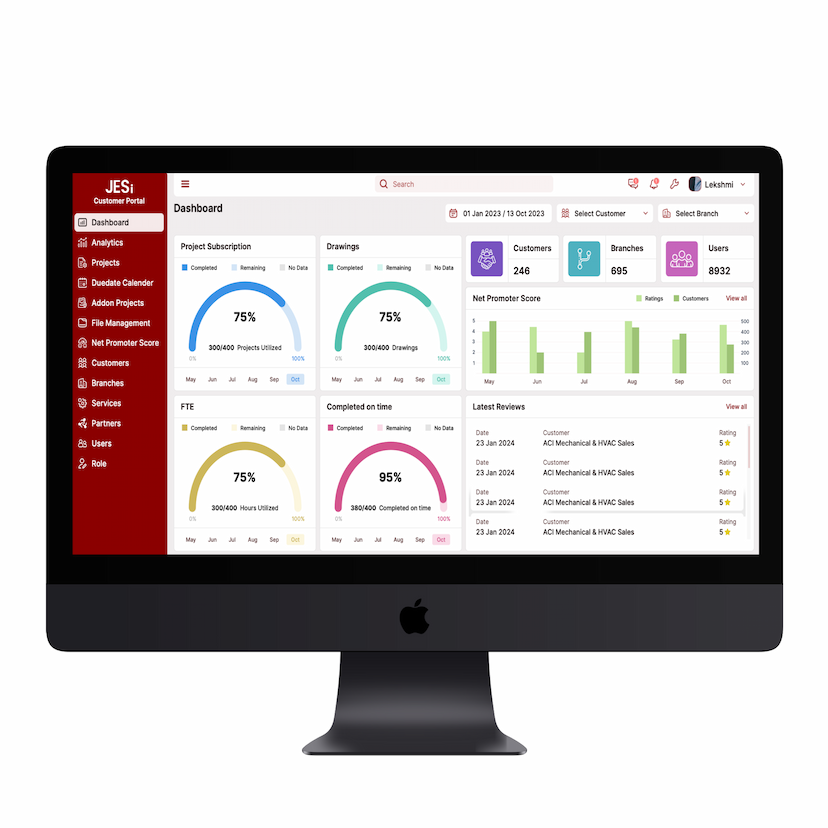
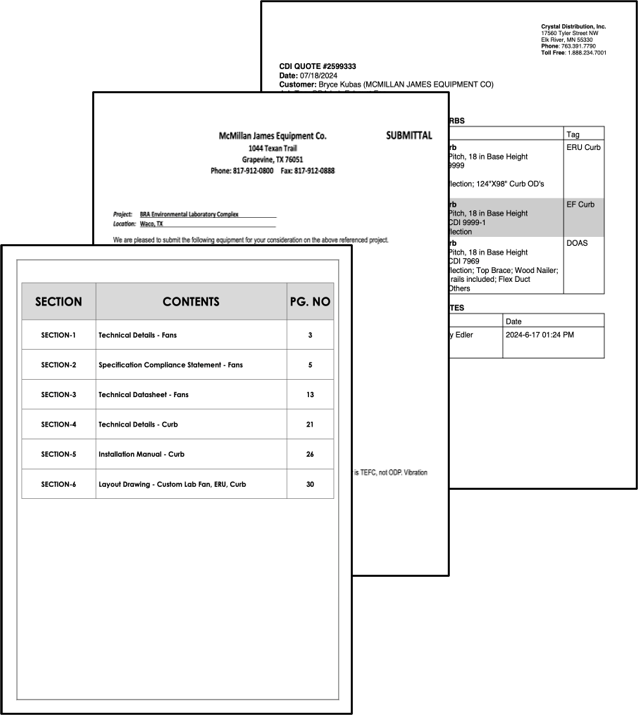
Get precise counts fast so your team can price and plan with confidence and spend more time in front of customers.
- What you get: Clean, auditable quantities for HVAC, plumbing, and electrical equipment
- Turnaround: 12-72 hours for most scopes
- Why it matters: Fewer misses, tighter bids, less rework
Case Study:
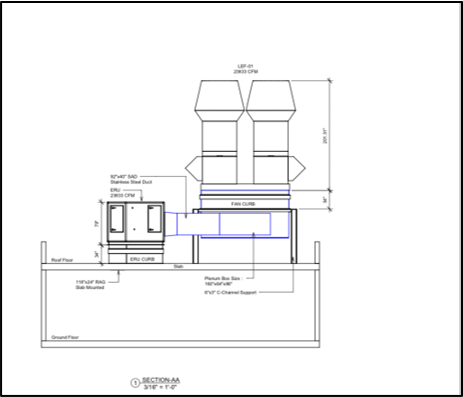
Engineering Model integration
Challenge
Engineers needed a complete model including an ERU, fan system, and vibration curb.
Solution
JES engaged manufacturers to retrieve models for all components.
Outcome
Model delivered overnight, allowing the rep to engage with JES in the afternoon and have the model ready for the engineer the next morning.
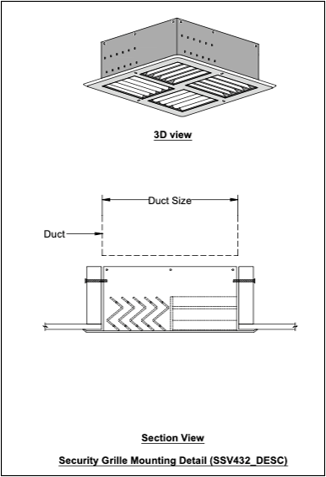
Component Modeling
We develop intelligent Revit-based 3D component models that integrate products from multiple manufacturers into a single coordinated BIM environment. Each component is built with precise parameters, metadata, and documentation to enhance design accuracy, coordination, and project efficiency across MEP systems.
Integrated Multi-Manufacturer Models
JES combined components from different manufacturers into a single, cohesive model for seamless client use.
Comprehensive Submittal
Delivered a fully documented model with all integrated components for approval and implementation.
Efficiency & Accuracy
Streamlined design process by ensuring compatibility and reducing coordination effort.
Frequently Asked Questions
What is Quantity Take-Off and why is it important?

Quantity Take-Off (QTO) is the process of measuring materials, components, and labor needed for construction projects. It ensures accurate cost estimation, reduces material wastage, and supports better budgeting and project planning.
How does our team assist with Equipment or Product Selection?
We help clients choose the most efficient, cost-effective, and specification-compliant products and equipment. Our team evaluates performance data, compatibility, and sustainability to ensure the best selection for your project.
What does a Specification Review include?
Our Specification Review process checks technical documentation for consistency, clarity, and compliance with project requirements. This helps prevent design conflicts, delays, and rework during later stages.
What are the benefits of BIM Modelling for my project?
BIM (Building Information Modelling) provides a 3D digital representation of your project that integrates design, cost, and time data. It enhances collaboration, reduces design errors, and allows for better decision-making throughout the construction lifecycle.
What’s the difference between Component and Assembly Revit Models?
Component models represent individual elements such as walls, doors, or HVAC units. Assembly models combine multiple components to form complex systems or units, enabling better visualization and coordination across disciplines.

Ready to Scale Your Business?
Let us discuss how our Revit Models: Component & Assembly Solutions can transform your engineering workflow